Kitchen & pantry
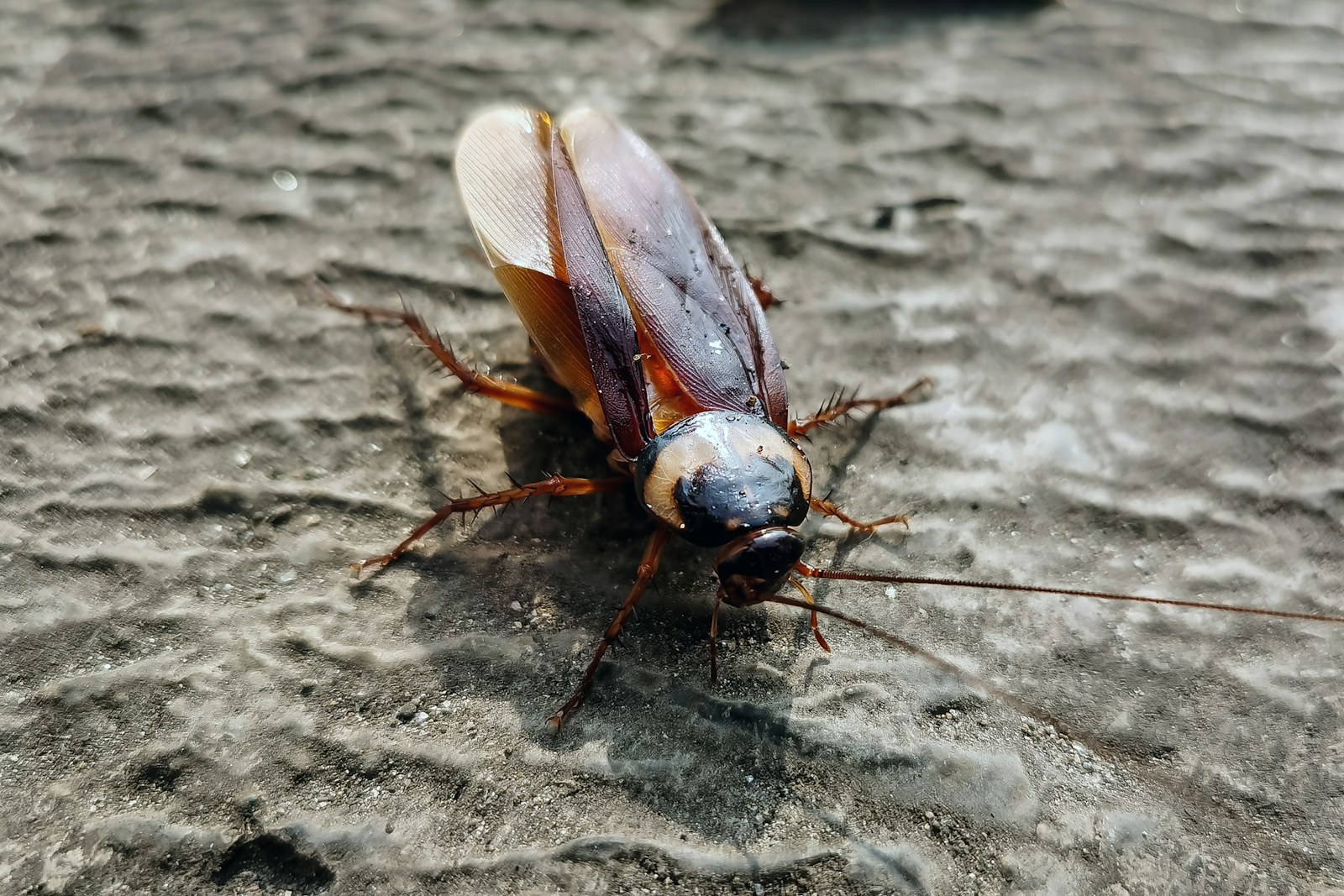
Ants and cockroaches are often found around cabinet seams, appliance spaces and stored food. Location and the route between activity and food help define treatment placement.
Household pest control
Common household pests tend to follow food, moisture and access. Treatment begins with identifying the pest and the areas it uses, then choosing an approach suited to the home.
Connect with a participating independent provider.
Service details
Pest identification and the location of activity help determine which household treatment approach fits. Participating providers set their own service availability.
Ants and cockroaches are often found around cabinet seams, appliance spaces and stored food. Location and the route between activity and food help define treatment placement.
Silverfish, clothes moths and house crickets use different indoor conditions. A provider can identify which pest is present and relate it to the affected textiles or storage area.
Spiders, earwigs, centipedes and millipedes may be found along thresholds, foundation-side rooms or damp areas. The exact activity location helps narrow the treatment area.
Mice and termites call for different assessments. Mouse activity is considered with possible entry points; termite assessment focuses on signs associated with wood and the surrounding structure.
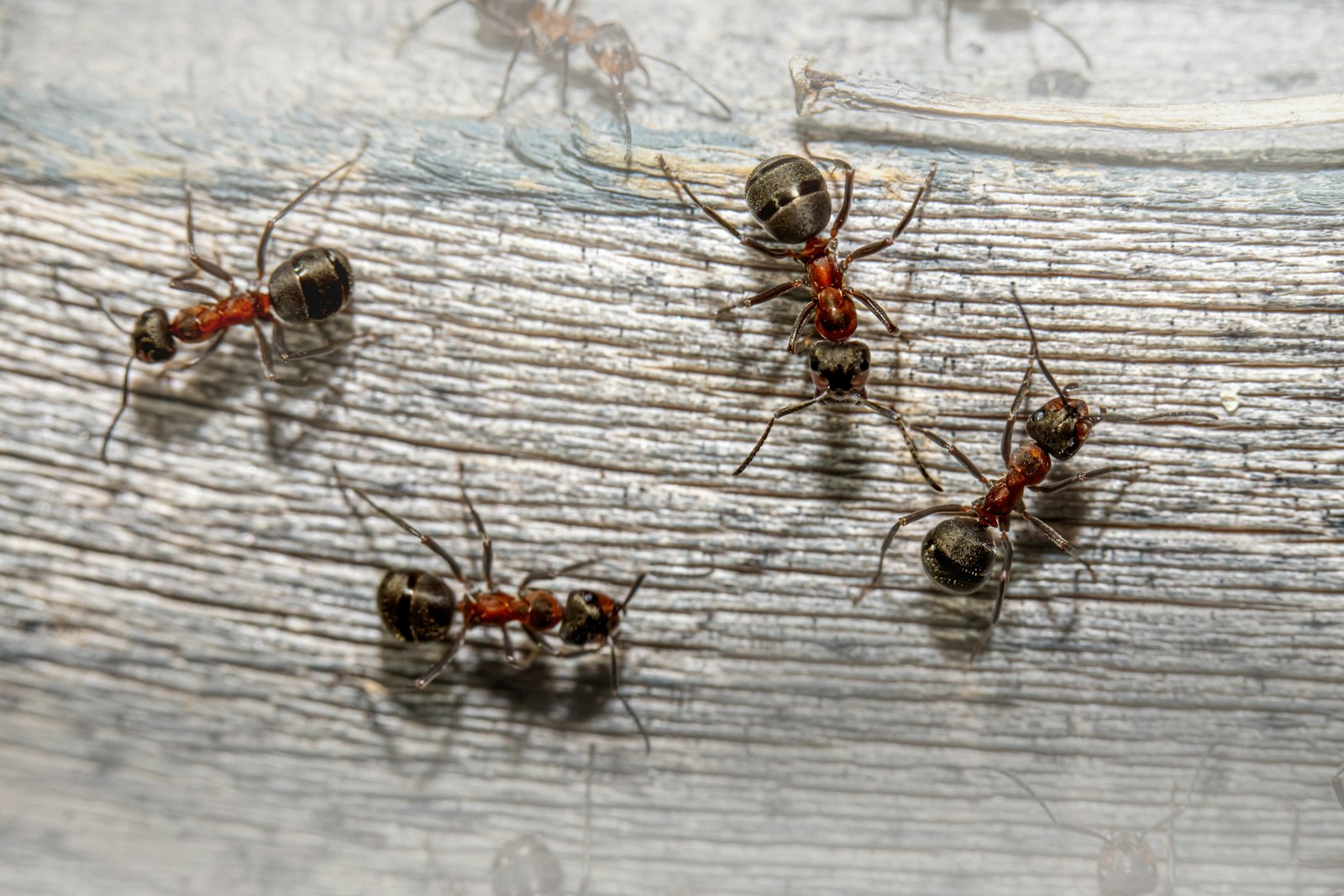
A closer look at ant trails
Ants may follow a sheltered line along a cabinet edge or window frame between a food source and a hidden entry. A visible trail can extend beyond the spot where ants are first noticed.
The route and nearby conditions help a provider decide where targeted treatment belongs; removing visible ants alone may not address the activity behind the trail.
Call (812) 616-4427Everyday prevention
Close dry goods in sealed containers and clean crumbs around small appliances and cabinet corners.
Dry cabinet interiors after spills and address recurring dampness around sinks or utility areas.
Store clean garments in dry, closed containers and avoid leaving fabric undisturbed in open piles.
Useful answers
Not automatically. Their food sources and hiding places differ, so treatment placement and method should match the pest identified.
Look for textile damage and signs in stored fabrics. Not every hole has the same cause, so pest identification helps determine whether treatment is appropriate.
No. Mud tubes, discarded wings or changes to wood may justify assessment, but signs need to be evaluated in context before a treatment decision.
A service for your home
Connect about pest activity, treatment options and prevention for your home.